Blog
English learning tips, guides, and news from WELE
Search results for "ai" (46 posts)
Clear
Fall's Past Tense Is Fell — and Three Sound-Alikes Keep Pulling It Astray
The simple past of fall is fell, the past participle is fallen. The tricky part is that fell is boxed in by feel, fail, and felt — three words that sound almost identical in fast speech.


Hotel & Restaurant English: Vocabulary, a Three-Stage Study Plan, and Listening Resources
Front desk, housekeeping and table service vocabulary, plus a three-stage study plan — from reading SOPs to handling complaints — and real self-study resources from the hospitality industry.

Job Interview English: Get the Question Right Before You Worry About the Answer
Every article teaches you how to answer. Few talk about listening for the actual question: classic question variations, follow-up probes, vocabulary, and how to train your ear.
English for Economics: Vocabulary, a Self-Study Roadmap, and Listening Sources with Transcripts
Vocabulary for macroeconomics, microeconomics, trade, and finance, plus a three-stage roadmap for self-learners and listening sources with transcripts to check against.

Rusty English? Start From Where You Left Off, Not From Zero
Most people who call their English "rusty" aren't actually starting from zero — they just need to wake up the English they already have and retrain their listening reflexes.

Why Self-Taught English Fails (And How to Fix It, Mistake by Mistake)
Self-taught English fails because of missing feedback loops, the wrong level, and no output — not because of lack of willpower — and here's exactly how to fix each mistake.
Hairdressing English: How to Say Hair, Salon Vocabulary, and Three Training Levels
Tóc means hair in English, and here's the complete vocabulary set for hairdressers with foreign clients: style names, lengths, services, chemicals, plus three training levels and genuine self-study resources.

Conversational English for Working Professionals: A Roadmap, Sample Sentences, and How to Choose Where to Study
A working professional's thirty minutes come in scattered pieces, not one continuous block. Here's a roadmap that fits into those gaps, sample sentences for situations you face every week, and a straight answer to the self-study-or-course question.

Daily English Listening: How to Build a Habit That Actually Sticks
A clearly structured fifteen-minute listening session holds up far better than a forty-minute session full of resolve that fizzles out halfway through. Here's how to build that session.

How to Write Dates in English: British vs. American Style
The two date orders used in British and American English, how to write dates in formal emails, the ordinal numbers that go with dates, how to say dates and years out loud, plus three spots Vietnamese ears tend to miss.
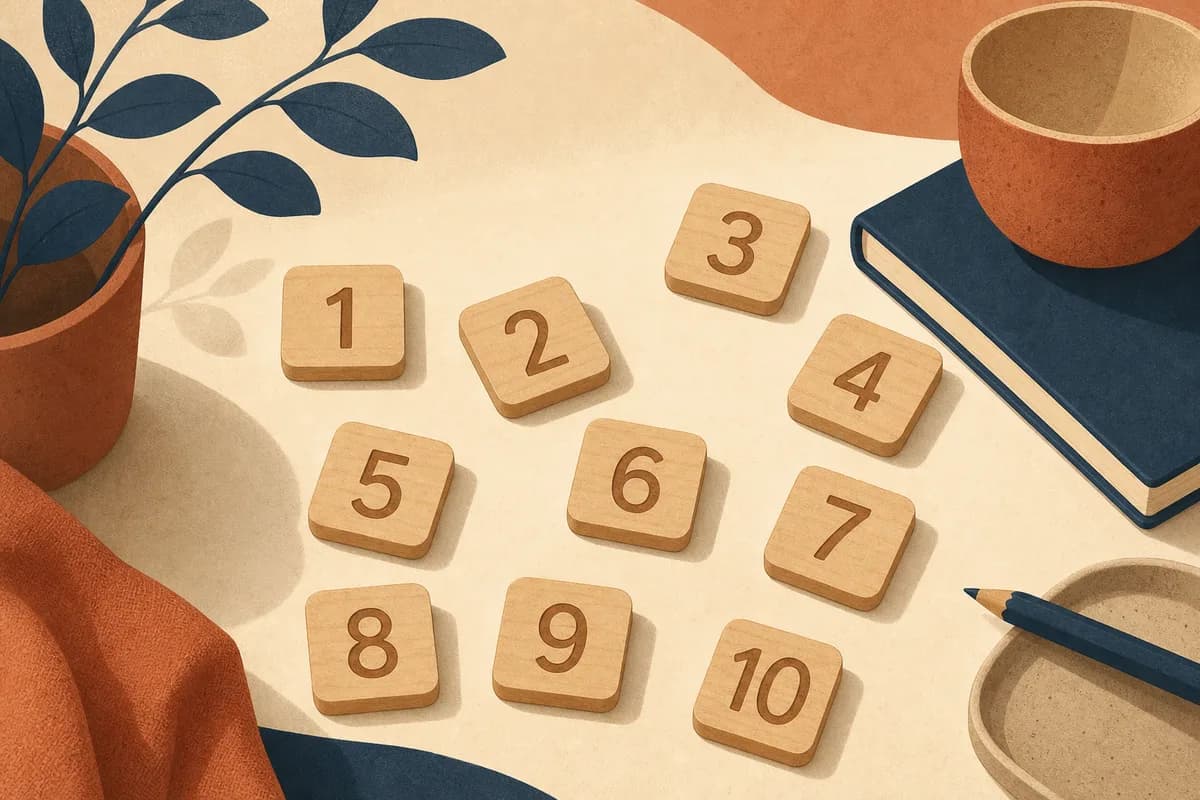
Ordinal Numbers in English: The 1st to 100th Chart and Common Mistakes
The full ordinal number chart from 1st to 31st plus the round-ten landmarks up to 100th, with pronunciation, six common spelling mistakes, how to use them in dates, building floors, and fractions, and how to train your ear to catch the -th ending.
Days of the Week in English: The Full Table, Abbreviations, and How to Say Them Right
The seven days of the week in English: a full table of IPA and abbreviations, four words people commonly mispronounce, the difference between on Monday and on Mondays, and how to train your ear to tell Tuesday and Thursday apart.

English Speaking Apps: 10 Picks, From AI to Real Tutors
Ten English speaking apps sorted by the problem you're facing: fixing pronunciation, building reflexes with AI, or talking to a real person — plus each one's real limitations.

Sneaked or Snuck: The Past Tense of Sneak, and a Verb Swimming Against the Tide
The past tense and past participle of sneak is sneaked, alongside the spreading form snuck. The hard part is knowing which form goes where, and catching the final consonant cluster of sneaked that tends to vanish in speech.
Marketing English: Vocabulary, Abbreviations, and How to Learn It Through a Campaign
A set of English marketing vocabulary and abbreviations actually used at work, plus how to learn by following a campaign: read case studies, listen to webinars, then present your own proposal.
Sewed or Sewn? The Past Tense of 'Sew' (and Why It Sounds Like 'So')
The simple past of sew is sewed, the past participle is sewn. The tricky part: sew is spelled like new but pronounced like so, and three homophones are lying in wait to trip up your dictation.

Dived or Dove? The Past Tense of Dive Is Turning Irregular
The past tense of dive is dived, and Americans also say dove. This is a rare case that goes against the trend — a regular verb carving out its own irregular form.

The Past Tense of Cry Is Cried: The Y-to-IED Rule and the Cried/Tried Mix-Up
Cry is a regular verb — the simple past and the past participle are both cried. The hard part is the /d/ ending, which lasts just one beat, and the fact that cried runs straight into tried when you hear it.
Past Tense of Start: When "-ed" Really Adds a Syllable
Start is a regular verb — the simple past and past participle are both started. It's one of the few verbs where the -ed ending actually adds a syllable, and the reason is straightforward.
The Past Tense of 'Open' Is 'Opened' — and the Final D Almost Disappears in Fast Speech
Open is a regular verb, the past simple and the past participle are both opened. The tricky part is the d stuck right after the n, so there's almost no sound to it, and the pair was open vs. was opened.